Web Design Trends Dominating 2026
- Sameer Verma
- May 11
- 4 min read

Web design moves fast — but 2026 has been an exceptional year for visual innovation. The combination of AI tools, faster browsers, and a new generation of designers pushing creative boundaries has produced a wave of trends that are reshaping how websites look, feel, and function.
Whether you're refreshing an existing site or building from scratch, understanding these trends will help you make smarter design decisions — and create experiences that feel current, credible, and engaging to global audiences.
1. AI-Generated and AI-Assisted Design
AI has fundamentally changed the design workflow. Tools like Midjourney, Adobe Firefly, and Wix's AI site generator can produce complete, polished design concepts in seconds. Rather than replacing designers, AI is becoming a creative co-pilot — handling repetitive tasks and generating starting points that humans then refine and personalise.
The result? Sites that would have taken weeks to design are now being produced in days. AI-generated hero images, custom illustrations, and adaptive layouts are becoming increasingly common — and increasingly indistinguishable from traditionally designed work.
2. Bento Grid Layouts
Inspired by Apple's marketing pages and popularised across the tech industry, bento grid layouts have become one of the defining visual styles of 2026. These designs use a grid of cards — similar to a Japanese bento box — where each cell showcases a different feature, stat, or piece of content.
Bento grids are particularly effective for SaaS products, portfolios, and feature showcases. They're scannable, visually satisfying, and work beautifully on both desktop and mobile. Expect to see this layout style dominate landing pages and product sites throughout the year.
3. Kinetic Typography and Text Animations
Static hero text is giving way to animated, kinetic typography — where words scroll, morph, fade, or split apart in ways that command attention. Thanks to libraries like GSAP and Framer Motion, these animations are more accessible to developers than ever before.
The key to doing this well is restraint. The most effective kinetic typography enhances the message rather than distracting from it. A single animated headline on an otherwise minimal page is far more powerful than a screen full of moving elements competing for attention.
4. Dark Mode as Default
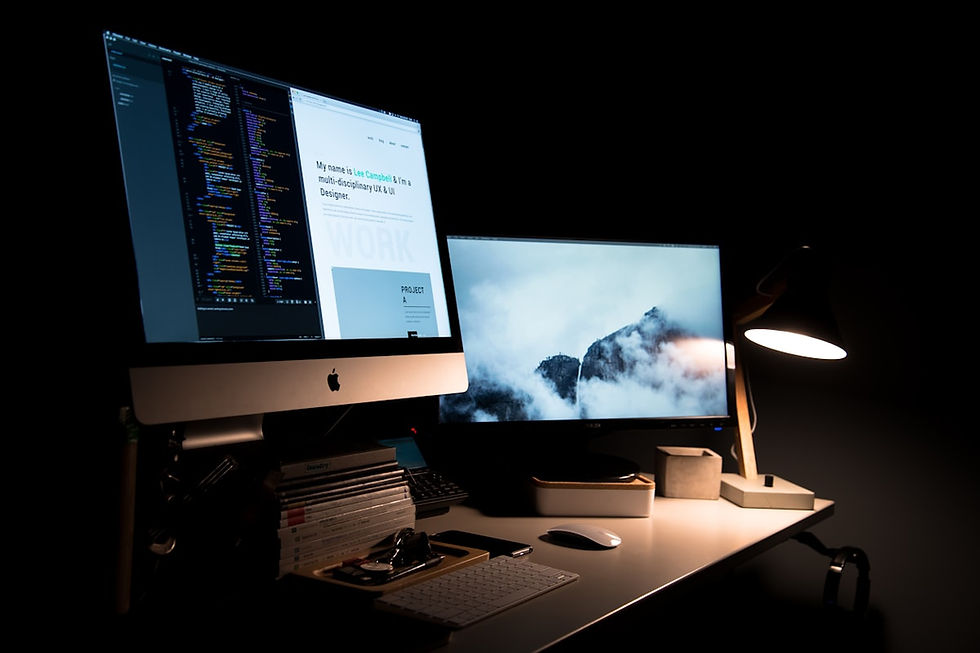
Dark mode has graduated from a preference setting to a primary design choice for many brands — particularly in the tech, gaming, and creative sectors. Deep backgrounds with vibrant accent colours create a sense of premium quality and visual depth that light designs often struggle to match.
The best dark mode designs in 2026 use carefully calibrated contrast ratios, subtle gradient backgrounds (deep navy to black, dark purple to charcoal), and neon or pastel accents that pop without being garish. Accessibility is key — always check that text meets WCAG contrast requirements.
5. Immersive Scroll Experiences
Scrollytelling — where content, animations, and narratives unfold as the user scrolls — has evolved from a novelty into a mainstream storytelling technique. Award-winning sites on Awwwards are packed with scroll-triggered animations, parallax effects, and horizontal scroll sections.
For product launches, brand stories, and portfolio sites, immersive scroll experiences dramatically increase time-on-page — a critical metric for both SEO and conversion. Tools like Webflow and Framer make building these experiences accessible even without deep JavaScript knowledge.
6. Hyper-Minimalism and White Space
As a counterpoint to the visual complexity of scrollytelling and kinetic type, hyper-minimalism has emerged as a powerful aesthetic choice in 2026. These designs strip everything back to the absolute essentials — one typeface, two colours, generous white space, and a single clear message.
The philosophy: when everything is noise, silence is the most powerful statement. Brands like Arc Browser, Linear, and Notion have built cult followings partly on the strength of their extraordinarily clean design. For new sites with a focused message, minimalism is often the smartest design strategy.
7. Custom Illustrations and 3D Elements
Stock photography is declining in premium web design. Brands that want to stand out are investing in custom illustrations, hand-drawn elements, and 3D rendered visuals that are entirely unique to their identity. AI illustration tools have made this more accessible — you can now generate a custom illustrated style at a fraction of the traditional cost.
3D elements — product renders, floating icons, interactive objects — are particularly effective on tech and SaaS sites, where they communicate sophistication and make abstract products feel tangible.
"The best design trend to follow is always the one that serves your users best — not the one that's most popular on Dribbble."
How to Apply These Trends Without Losing Your Brand Identity
The biggest mistake designers make with trends is wholesale adoption. The goal is never to look exactly like every other site — it's to feel current while remaining distinctly yourself. Pick one or two trends that align with your brand values and audience expectations, and apply them thoughtfully.
A professional services firm might adopt hyper-minimalism and kinetic typography while avoiding dark mode. A gaming brand might go all-in on dark mode and 3D elements while keeping layouts simple. The trend is the inspiration — your brand is the filter.

Comments